Dead Tree Removal in Allentown, PA
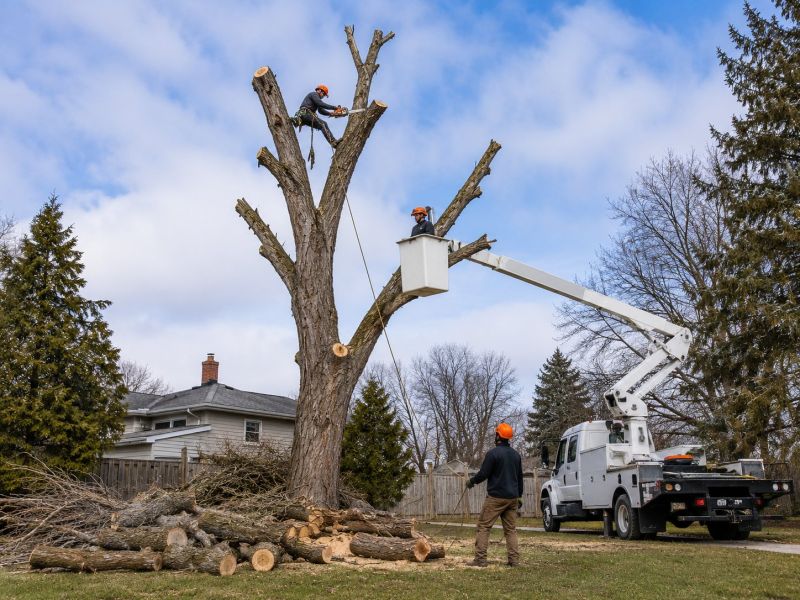
Dead tree removal services involve the safe and efficient elimination of trees that are dead, decaying, or pose a risk to property or safety. These projects typically include assessing the condition of the tree, planning the removal process, and carefully dismantling or cutting down the tree to prevent damage to surrounding structures, landscaping, or power lines. Homeowners often request this service when a dead or dying tree threatens to fall, obstructs views, or causes concerns about safety on their property.
Property owners should consider factors such as the size and location of the tree, potential impact on nearby structures, and the presence of hazards like rotting wood or unstable branches before requesting dead tree removal. Understanding these details helps ensure the process is carried out safely and efficiently. Proper removal can also prevent future issues such as pest infestations or disease spreading to healthy trees, making it a valuable step in maintaining a safe and attractive landscape.
Many property owners in Allentown, PA look into Dead Tree Removal for repairs, replacements, upgrades, and appearance-related improvements.
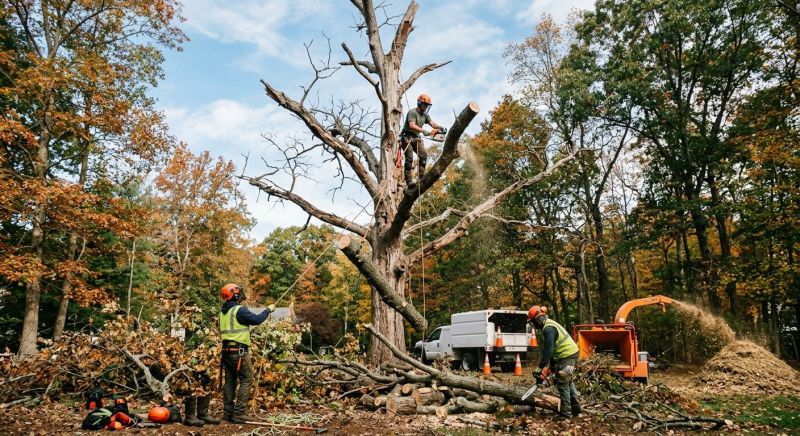
Reasons To Remove Dead Trees
Removing dead trees helps prevent potential property damage and safety hazards.
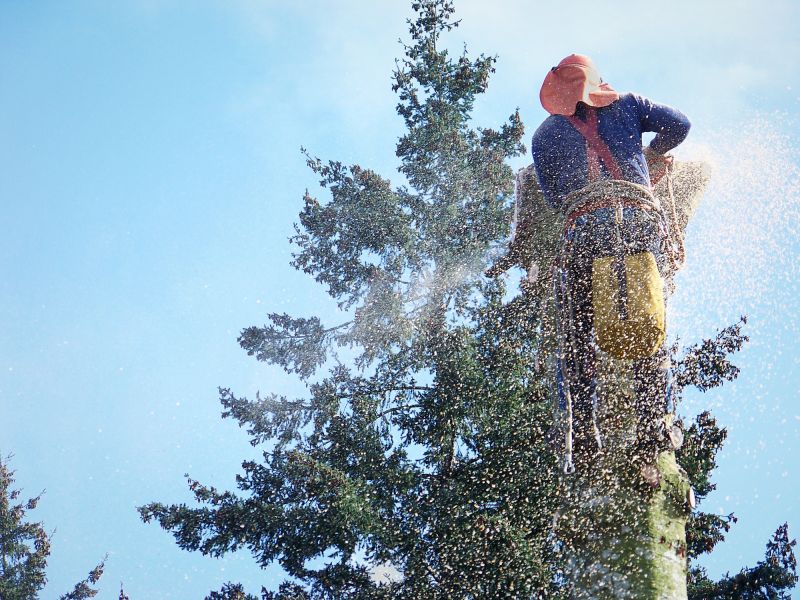
Signs A Tree Needs Removal
Indicators include dead branches, hollow trunks, and leaning or unstable growth.
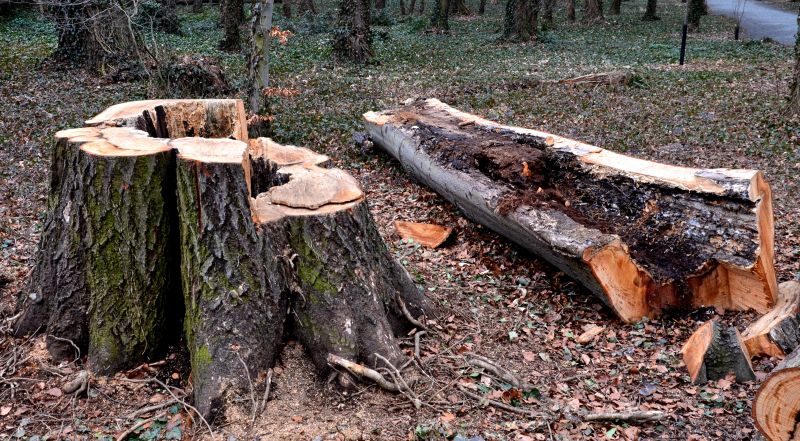
Benefits Of Professional Dead Tree Removal
Professional services ensure safe, efficient removal and help maintain the health of surrounding trees.
Dead Tree Removal in Allentown, PA
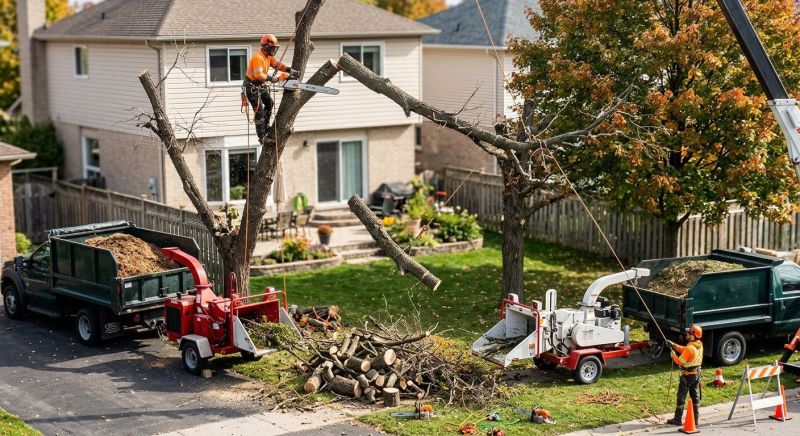
Dead tree removal services involve the safe and efficient elimination of trees that are dead, decaying, or pose a risk to property or safety. These projects typically include assessing the condition of the tree, planning the removal process, and carefully dismantling or cutting down the tree to prevent damage to surrounding structures, landscaping, or power lines. Homeowners often request this service when a dead or dying tree threatens to fall, obstructs views, or causes concerns about safety on their property.
Property owners should consider factors such as the size and location of the tree, potential impact on nearby structures, and the presence of hazards like rotting wood or unstable branches before requesting dead tree removal. Understanding these details helps ensure the process is carried out safely and efficiently. Proper removal can also prevent future issues such as pest infestations or disease spreading to healthy trees, making it a valuable step in maintaining a safe and attractive landscape.
Many property owners in Allentown, PA look into Dead Tree Removal for repairs, replacements, upgrades, and appearance-related improvements.
Common Dead Tree Removal Jobs
Dead tree removal - safely removes hazardous or decayed trees to protect property.
Stump grinding - eliminates tree stumps to improve yard safety and appearance.
Emergency tree removal - handles urgent situations involving fallen or unstable trees.
Selective tree removal - removes specific trees to improve landscape health or design.
Overgrown tree clearance - reduces excessive growth to prevent damage to structures and power lines.
Tree cleanup services - clears debris and ensures the yard remains tidy after removal work.
Dead Tree Removal Questions
Why remove a dead tree? Removing dead trees helps prevent potential hazards like falling branches or the tree toppling, which can cause property damage or injury.
What signs indicate a tree is dead? Signs include lack of leaves during the growing season, brittle or cracked branches, and visible decay or fungus on the trunk.
Is dead tree removal necessary for safety? Yes, removing dead trees reduces the risk of falling limbs or the entire tree falling, especially during storms or high winds.
What should property owners consider before removal? It’s important to assess the tree’s location relative to structures and utilities to determine the best removal approach.
Request Dead Tree Removal in Allentown, PA
Use the quote form on this page to share the basics of your project and request more information for the type of work you need.