Dead Tree Removal in Reno, NV
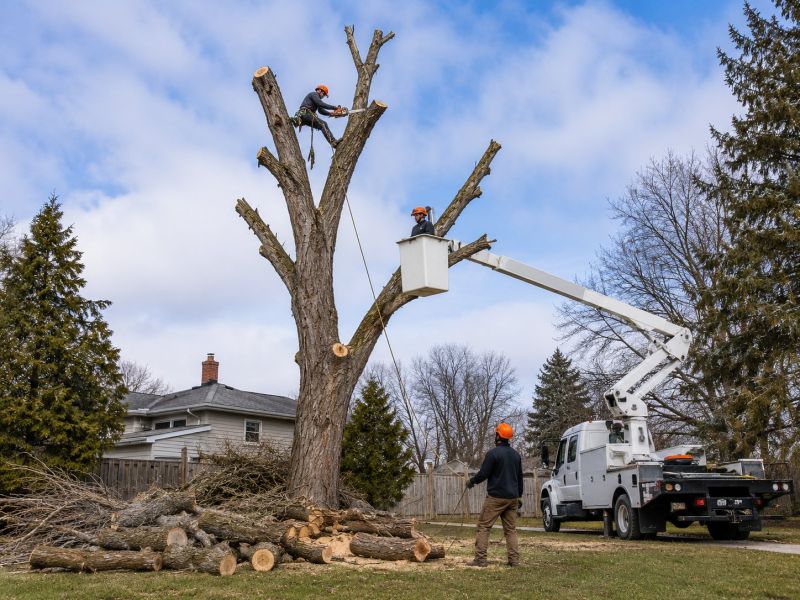
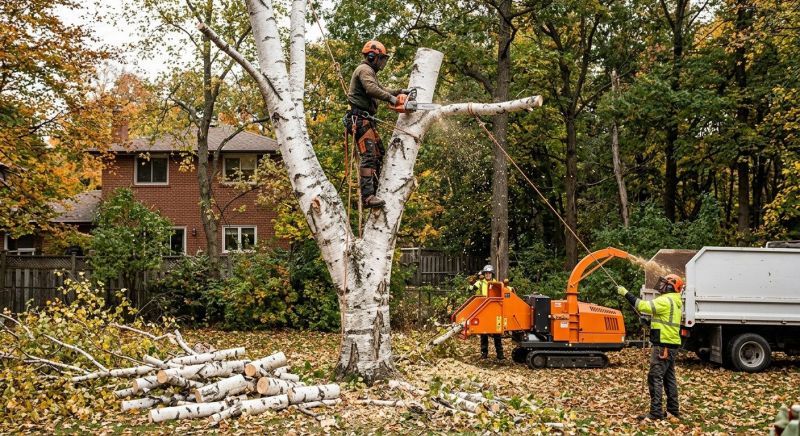
Dead tree removal services involve safely and efficiently removing trees that are dead, dying, or pose a risk to property or safety. This process typically includes assessing the tree’s condition, planning a safe removal strategy, and using specialized equipment to carefully cut and remove the tree and its debris. Projects often encompass removing trees that are hazardous near structures, clearing fallen or leaning trees after storms, and managing overgrown or unwanted trees to maintain landscape safety and aesthetics.
Homeowners considering dead tree removal usually want to understand the scope of work involved, including how the tree will be safely taken down and what happens to the debris afterward. It’s also important to know if the removal process might impact surrounding plants, structures, or utilities, and whether any permits are required for the project. Clear communication about the steps involved can help property owners plan accordingly and ensure the safety and appearance of their landscape are preserved.
Many property owners in Reno, NV look into Dead Tree Removal for repairs, replacements, upgrades, and appearance-related improvements.
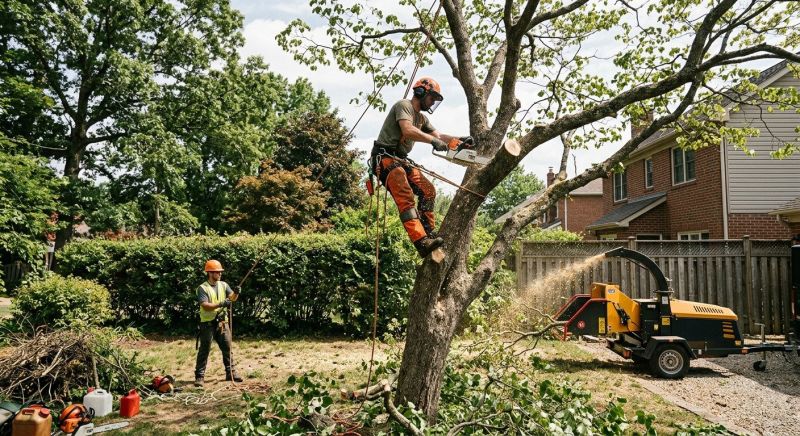
Reasons For Dead Tree Removal
Dead trees can pose safety risks and may cause damage to property if not removed promptly.
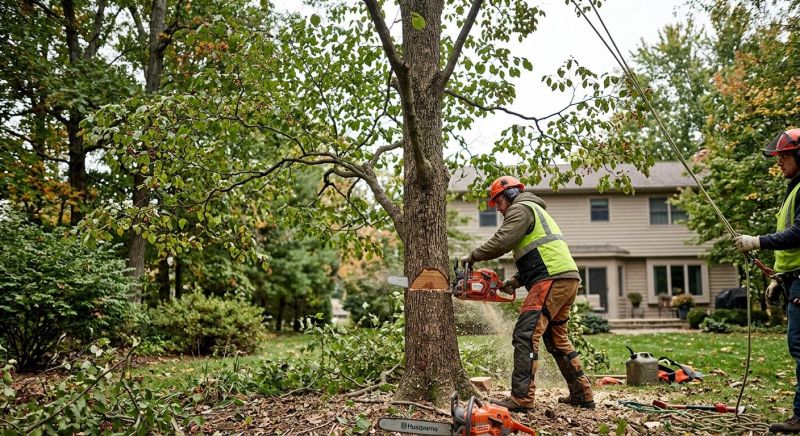
Signs A Tree Needs Removal
Look for dead branches, leaning trunks, or visible decay as indicators that removal might be necessary.
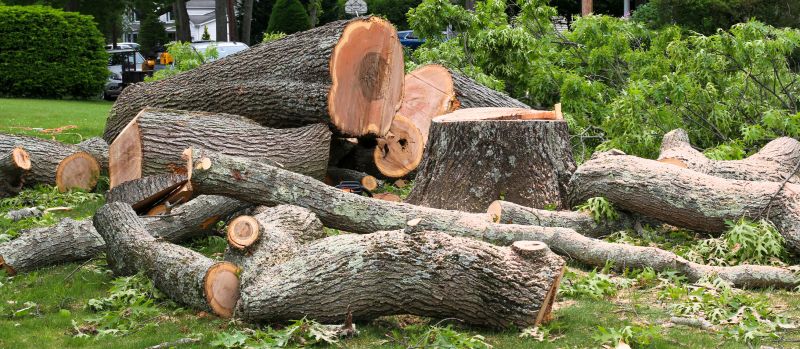
Benefits Of Tree Removal
Removing dead trees helps prevent hazards and improves the overall health and appearance of your landscape in reno, nv.
Dead Tree Removal in Reno, NV
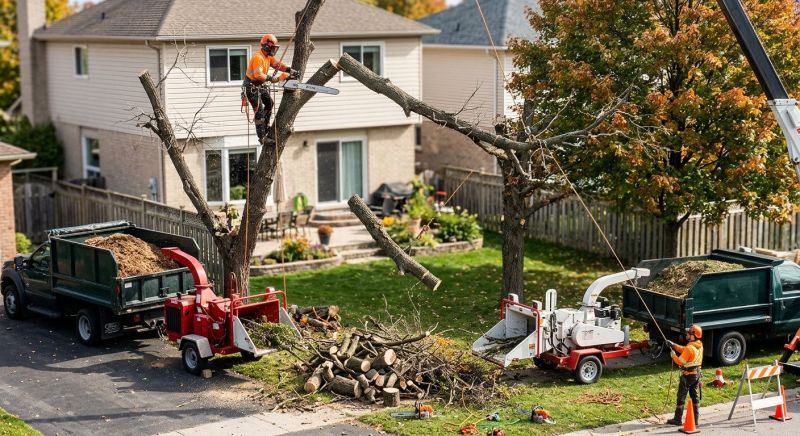
Dead tree removal services involve safely and efficiently removing trees that are dead, dying, or pose a risk to property or safety. This process typically includes assessing the tree’s condition, planning a safe removal strategy, and using specialized equipment to carefully cut and remove the tree and its debris. Projects often encompass removing trees that are hazardous near structures, clearing fallen or leaning trees after storms, and managing overgrown or unwanted trees to maintain landscape safety and aesthetics.
Homeowners considering dead tree removal usually want to understand the scope of work involved, including how the tree will be safely taken down and what happens to the debris afterward. It’s also important to know if the removal process might impact surrounding plants, structures, or utilities, and whether any permits are required for the project. Clear communication about the steps involved can help property owners plan accordingly and ensure the safety and appearance of their landscape are preserved.
Many property owners in Reno, NV look into Dead Tree Removal for repairs, replacements, upgrades, and appearance-related improvements.
Common Dead Tree Removal Jobs
Dead tree removal involves safely cutting and removing hazardous or decayed trees from residential properties.
Stump grinding clears remaining tree stumps to improve yard safety and appearance.
Emergency tree removal addresses fallen or unstable trees threatening structures or power lines.
Selective tree removal targets specific trees to promote healthy landscape growth.
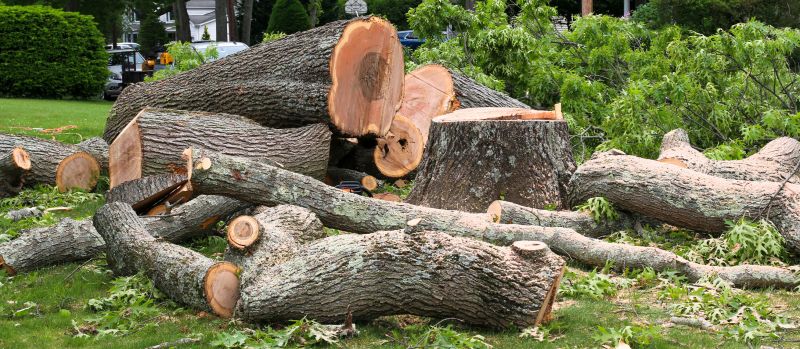
Storm damage cleanup includes removing dead or damaged trees after severe weather events.
Hazard tree assessment evaluates trees for potential risks and recommends removal if necessary.
Dead Tree Removal Questions
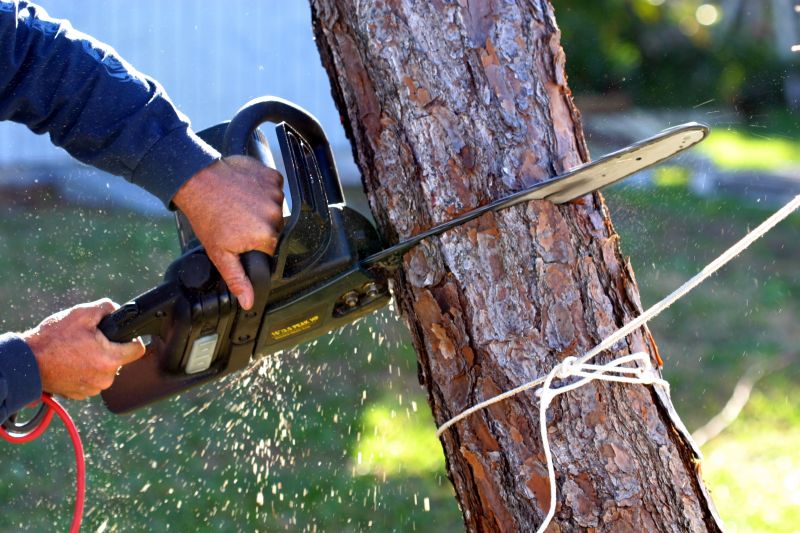
What is dead tree removal? Dead tree removal involves safely cutting down and removing trees that are no longer healthy or pose a risk to property.
Why should dead trees be removed? Removing dead trees prevents potential damage from falling branches or the entire tree, and improves overall landscape safety.
What types of trees are typically removed? Commonly removed trees include those that are diseased, dying, or have become hazards due to storm damage or decay.
Is dead tree removal necessary for property safety? Yes, removing dead trees helps prevent accidents and protects structures from falling limbs or collapse.
Request Dead Tree Removal in Reno, NV
Use the quote form on this page to share the basics of your project and request more information for the type of work you need.